Technology can sometimes feel a bit overwhelming, but its real magic is in making our lives simpler and easier. From tackling small chores to helping us chat with loved ones, accessible tech can bring a whole new level of comfort and independence to your home. You don’t need to be a tech wizard or spend a fortune to see a big difference. Just a few thoughtful additions can really change daily routines and smooth out common frustrations for everyone, no matter their age or ability.
Smart Home Devices for All
When we talk about a “smart home,” what we’re really getting at is convenience and having things under control.
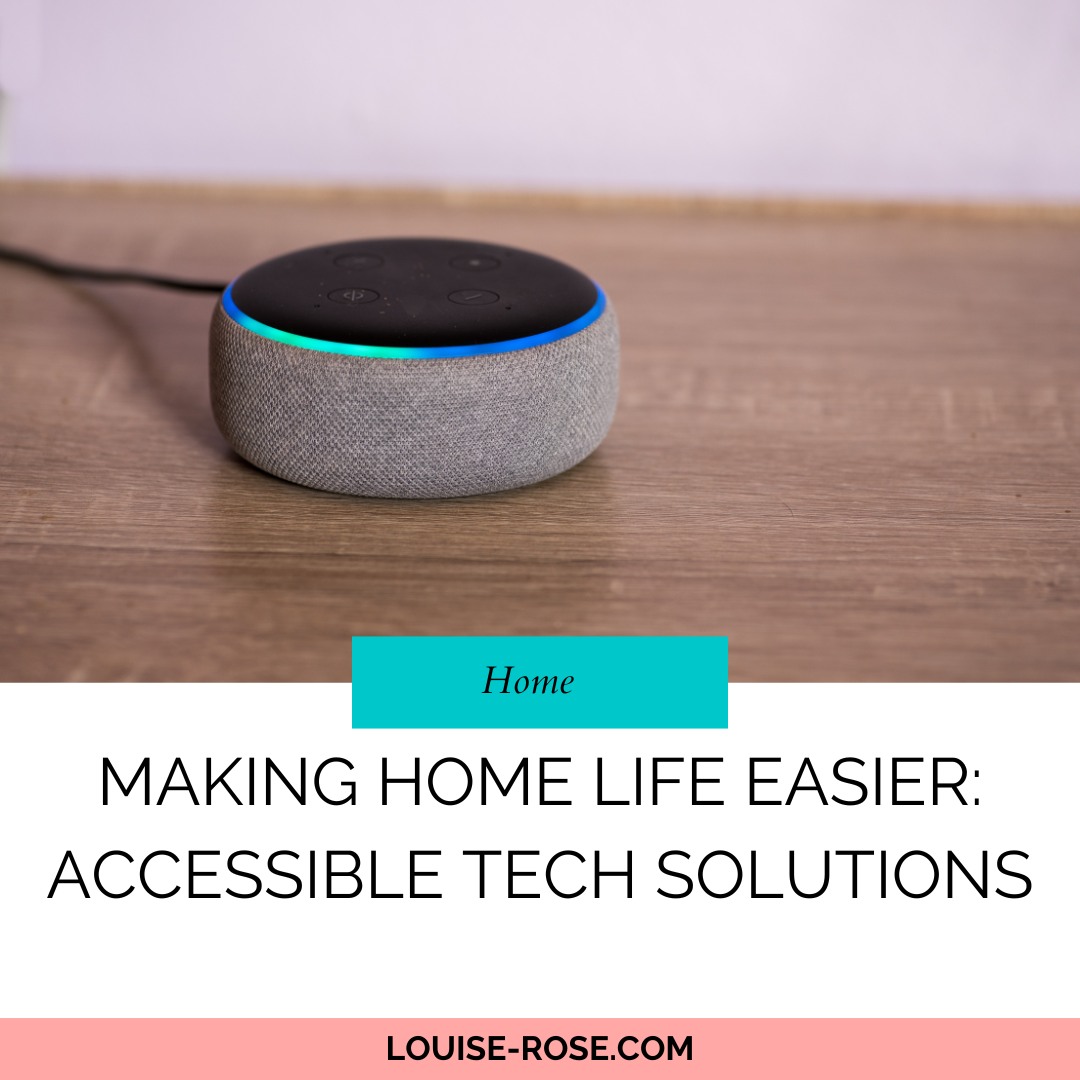
Right at the heart of it all are voice assistants like Amazon’s Alexa or Google Assistant. These gadgets let you manage different parts of your home just by speaking. You can tell them to switch lights on or off, tweak the thermostat, or even lock the front door without lifting a finger. This is super helpful for anyone who finds moving around a bit tricky, but it’s also a nice little luxury for those times when your hands are full.
Getting started is probably easier than you think. You can set up a single smart speaker and a couple of smart light bulbs in just a few minutes. From there, you can slowly add other devices as you discover what you need. The whole point is to create a home that responds to you, and CEDIA’s guide on smart home accessibility shows just how many cool things you can do to make your living space more comfortable and supportive.
Streamlining Communication at Home
Feeling connected is so important for our well-being, and technology offers some amazing tools to help us stay in touch.
Take video doorbells, for instance. They let you see and talk to visitors from your smartphone or a smart display, whether you’re just in the living room or out of the house. That adds both security and a lot of convenience. For talking within the house, many smart speakers have an intercom feature, so you can instantly chat with someone in another room without having to shout.
Personal communication has also come a long way. Assistive listening technology is now more powerful and much less noticeable than it used to be. Many modern small hearing aids now come with Bluetooth, letting them stream audio directly from a TV, smartphone, or tablet. This means clearer phone calls and a more immersive experience when you’re watching something, helping you stay fully engaged in conversations and the world around you.
Tools for Daily Tasks
Everyday chores can really wear you out, but a little automation can take some of that weight off your shoulders. Robotic vacuums are a great example. You can set them to clean your floors every day, so that’s one less thing you have to worry about. They zip around furniture and head back to their charging dock all on their own, making floor care almost effortless.
Beyond cleaning, other gadgets can simplify your daily routine. Smart medication dispensers can be set up to release the right pills at the right time, often sending a notification to a family member’s phone if a dose is missed. In the kitchen, tools like automatic jar openers and electric can openers can make preparing meals much easier for those with limited hand strength or arthritis.
Budget-Friendly Tech Upgrades
You don’t need to completely overhaul your home to get the benefits of accessible tech. Lots of really helpful solutions are either free or very affordable. Smart plugs, for example, can cost less than $20 and can turn almost any regular appliance into a smart device. Plug a lamp into one, and suddenly you can control it with your voice or an app.
And don’t forget about the powerful tools already built into your smartphone. Both iPhones and Android devices have extensive accessibility menus with features like screen readers, text magnification, and voice control that can help you use your device more easily. There’s also a huge world of free accessibility apps for smartphones that can do everything from identifying objects with your camera to turning speech into text in real time.
Personalised Tech Support
Bringing new technology into your home can feel a bit daunting, but you don’t have to figure it all out by yourself. If you’re having trouble with setup, just ask a tech-savvy friend, neighbour, or family member for a hand. Most people are happy to share what they know, and a quick lesson can make all the difference.
For more complicated setups, you might think about getting professional help. Some companies specialize in in-home tech installation and can get your new devices up and running smoothly. You can also check with your local library or community centre. They often host free workshops and classes designed to help people get more comfortable with technology, covering everything from basic smartphone skills to setting up a smart home device.
Ultimately, the best tech for your home is the tech you’ll actually use. Start with one or two devices that solve a specific problem for you, and see how much of a difference they can make in your daily life.
Discover more from Louise Rose
Subscribe to get the latest posts sent to your email.