A bright, healthy smile isn’t just about genetics; it comes from consistent daily habits. Most of us know the basics regarding dental care, but a truly effective oral care routine involves more than just a quick brush in the morning. Building these habits is an investment in your long-term health, stopping problems before they start and keeping your teeth strong for life.
The Foundation: Brushing and Flossing
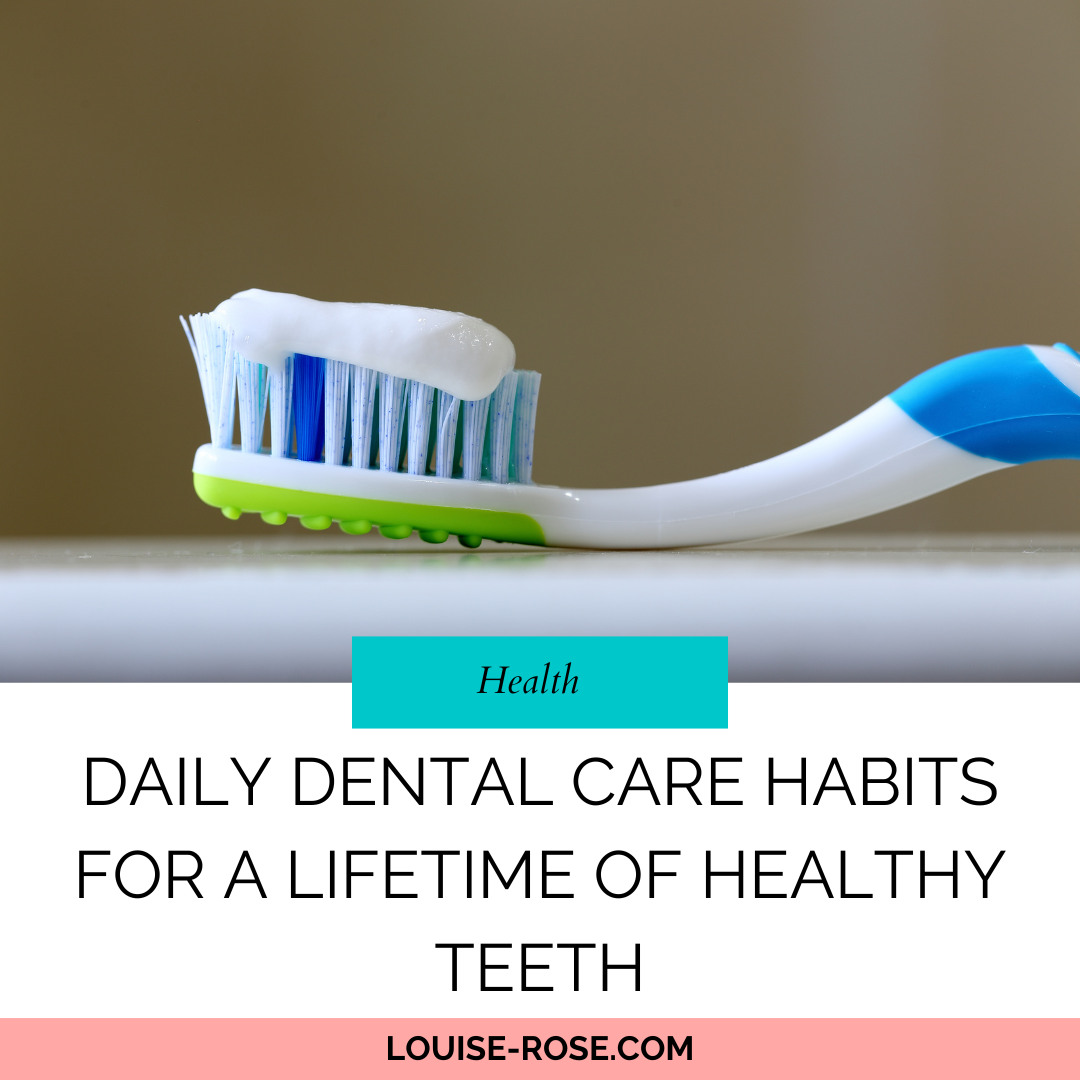
Brushing and flossing are the core of any good dental care routine. You want to remove plaque, a sticky film of bacteria that constantly forms on your teeth. If you don’t remove it, plaque can cause cavities and gum disease. For the best results, brush your teeth twice a day for two minutes each time. Use a soft-bristled toothbrush and fluoride toothpaste. Angle the brush 45 degrees toward your gumline and use gentle, circular motions. Brushing too hard can damage your gums and enamel.
Flossing is just as important. It cleans the tight spaces between your teeth and under the gumline where your toothbrush can’t reach. If you’re not sure about your brushing or flossing technique, your dentist can show you how to clean effectively. The National Institute of Dental and Craniofacial Research offers detailed guidance on proper oral hygiene to help you improve your daily practice.
Diet’s Role in Oral Health
What you eat and drink directly affects your teeth’s health. Sugary foods and drinks, like soda and candy, feed harmful bacteria in your mouth. These bacteria then produce acids that attack your tooth enamel. Acidic foods, such as citrus fruits and wine, can also directly wear away enamel. It’s not just about sweets; starchy foods like chips and bread can get stuck between teeth and break down into sugar.
To support your oral health, try to limit sugary and acidic items. When you do have them, eat them as part of a meal instead of snacking throughout the day. Drinking plenty of water helps rinse away food particles and acids. Adding tooth-friendly foods can also make a difference. Crunchy fruits and vegetables like apples and carrots help clean your teeth as you eat them. Calcium-rich options like cheese and yogurt help strengthen enamel.
Beyond the Basics: Other Tools
While brushing and flossing are essential, other tools can add to your routine and help with specific issues. An antimicrobial mouthwash can reduce bacteria that cause plaque and bad breath, but it shouldn’t replace brushing. For people with braces, bridges, or trouble with traditional floss, a water flosser can be great for removing debris from hard-to-reach areas.
A tongue scraper is another helpful tool. A lot of bacteria can build up on your tongue, leading to bad breath. Gently scraping your tongue once a day can help remove this build up. When you’re thinking about adding a new product, it’s good to understand the best practices for oral hygiene to make sure it fits your needs. These tools are meant to be additions, not replacements, for a solid foundation of brushing and flossing.
Why Regular Dental Visits Matter
Even with the most careful daily care, you can’t replace the benefits of professional dental check-ups and cleanings. You can remove plaque at home, but once it hardens into tartar, only a dental professional can remove it. This hardened plaque can lead to gum disease if not treated. Regular visits, usually every six to twelve months, let your dental team spot potential problems like small cavities or early signs of gum inflammation when they are easiest to treat.
These appointments are also about more than just cleaning teeth. Your dental team screens for oral cancer and checks for other health issues that can show up in your mouth. Think of your regular visits as preventative maintenance. They protect your smile and your overall health, catching problems before they become painful and expensive to fix.
By making these simple habits part of your daily life, you’re not just taking care of your teeth. You’re investing in a future of confident smiles and overall well-being.
Discover more from Louise Rose
Subscribe to get the latest posts sent to your email.