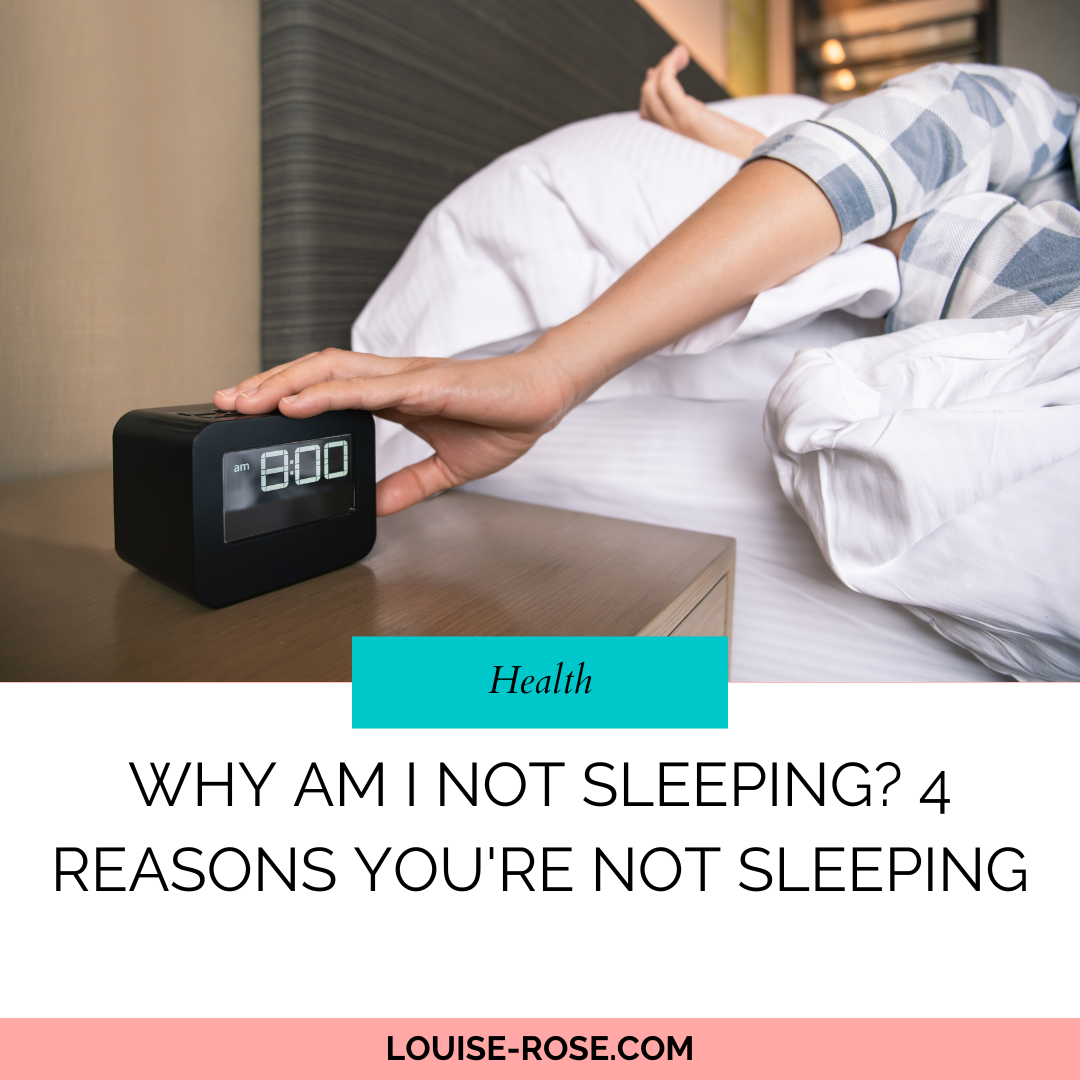
What is stopping you from getting a good night’s sleep? If you’re waking up feeling less than refreshed each morning and you’re starting the day with a yawn and a snooze of the alarm rather than a vibrant rise from your slumber, then it might be you’re not living in a movie after all. Or you might is not getting enough good quality sleep each night. But remember, you’re not alone in this struggle. According to Blinds 2go, around 30% of Brits are also grappling with the challenge of getting a good night’s sleep. If your sleep issues aren’t related to a medical condition, then it’s time to take a closer look at your lifestyle. What factors could be impacting your sleep quality that you have control over?
Mattress
Your mattress needs to be replaced at least every 8 years. Sometimes, depending on the quality and construction, they should last longer; however, your mattress should be comfortable and facilitate a good night’s sleep, not the reason you toss and turn all night.
Consider replacing your mattress if it’s more than 8 years old, sagging in the middle, has lost its support, or is damaged in any way. In fact, you may find that you need an entirely new bed and mattress to help you improve your sleep quality.
Light
Not everyone needs pitch-black environments to get a good night’s sleep, and vice versa. But if light is impacting your ability to snooze off a night, investing in new curtains can be exactly what you need. Blinds that block light or curtains that offer additional coverage across windows and even soundproofing can be the perfect combination for you to eliminate light. If the light is internal and you need to leave a lamp or small nightlight on for kids or pets, for example, then investing in an eye mask can block this out for you and provide a deeper level of light exclusion to facilitate a more restful night’s sleep.
Pre Bedtime Activities
Let’s get to it. The reason you’re not sleeping properly could be you. Activities such as high-energy exercise before bed, drinking alcohol, doom-scrolling, or binge-watching shows in bed can all impact your life. And, it might be that you need to refresh your nightly habits to help you create an environment and mindset that is geared towards rest, not activity. Avoid screens in the bedroom, set a regular bedtime, limit high-energy exercises for at least 2 hours before bedtime, and give your mind and body time to wind down and relax so you can get into the right frame of mind.
Stress
If you’re clenching your jaw constantly or your mind won’t stop racing as you close your eyes, then you need to address your stress levels. Stress can be a significant barrier to a good night’s sleep, and identifying the source of your stress and resolving it should be a priority to help you achieve some restful sleep. It may be that you find journaling before bed helpful, creating an action plan to manage stress, or consulting your doctor can be beneficial. Whatever it is, identify stressors and tackle them to see what difference it makes.
Discover more from Louise Rose
Subscribe to get the latest posts sent to your email.